Crawlspace Water Removal in Wilmington, NC
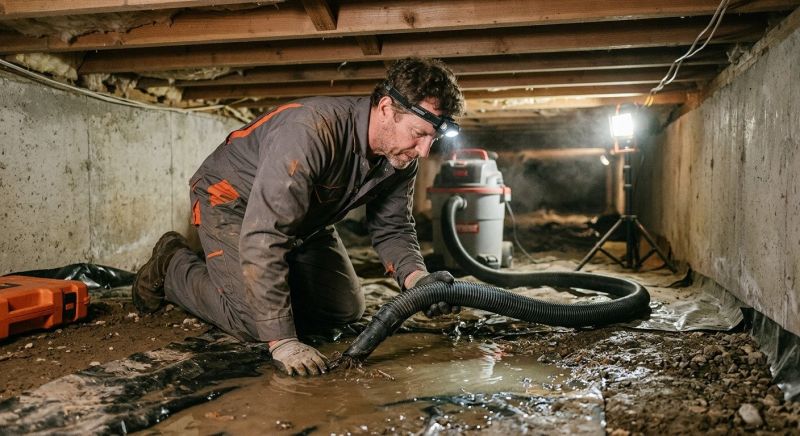
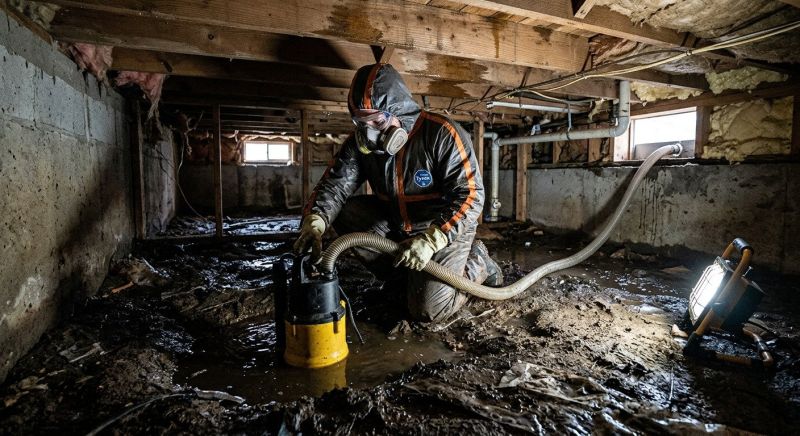
Crawlspace water removal services focus on addressing excess moisture, flooding, or standing water beneath a home’s foundation. These projects typically involve extracting water caused by heavy rains, plumbing leaks, or high humidity levels that can lead to mold growth, wood rot, and structural damage if left unaddressed. Property owners usually want to understand the scope of water removal, the methods used to dry and dehumidify the space, and the steps taken to prevent future water intrusion. Proper water removal can help protect the integrity of the home and improve indoor air quality.
Before requesting crawlspace water removal, homeowners should consider the extent of the flooding or moisture, the presence of mold or debris, and any underlying causes such as drainage issues or plumbing failures. It’s also helpful to inquire about the equipment used for extraction and drying, as well as the recommended follow-up measures to ensure the space remains dry and free of moisture problems. Clear communication about the project’s scope and the property’s specific conditions can help ensure effective and thorough water removal services.
Many property owners in Wilmington, NC look into Crawlspace Water Removal for repairs, replacements, upgrades, and appearance-related improvements.
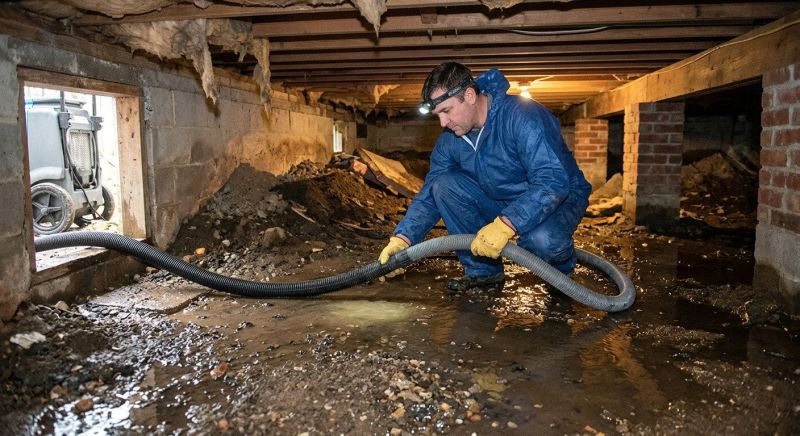
Signs Of Water Intrusion
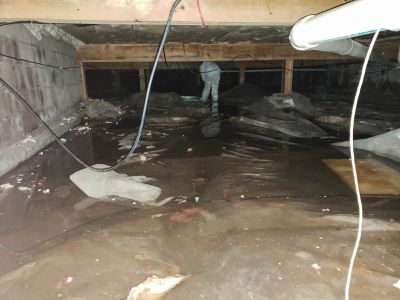
Indicators like dampness, mold, or musty odors can suggest water issues in the crawlspace.
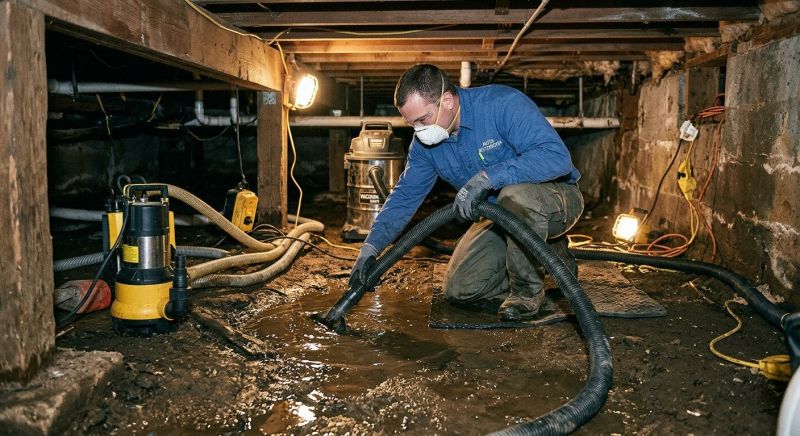
Water Damage Prevention
Removing excess moisture helps protect structural integrity and prevents mold growth in wilmington homes.
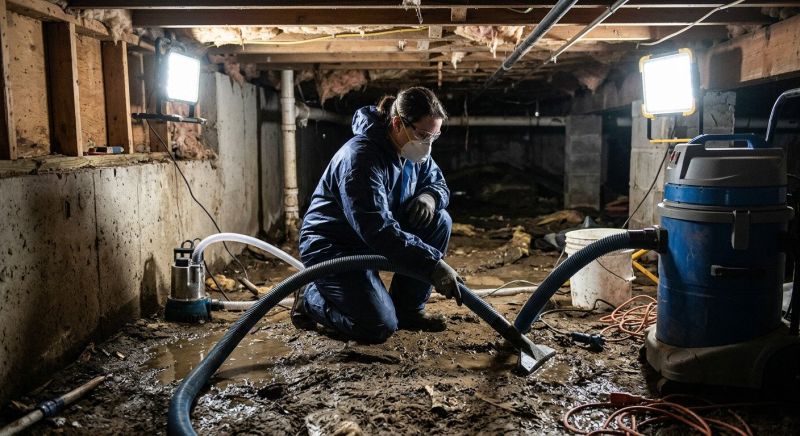
Effective Water Removal Methods
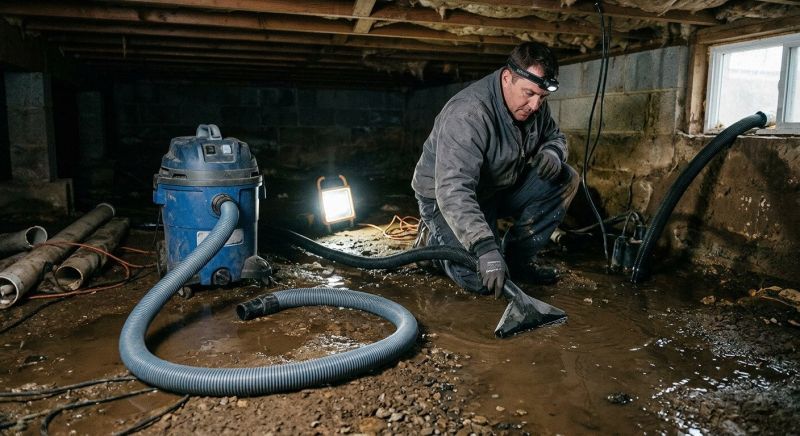
Professional techniques include extraction and drying to restore a dry, safe crawlspace environment.
Crawlspace Water Removal in Wilmington, NC
Crawlspace water removal services focus on addressing excess moisture, flooding, or standing water beneath a home’s foundation. These projects typically involve extracting water caused by heavy rains, plumbing leaks, or high humidity levels that can lead to mold growth, wood rot, and structural damage if left unaddressed. Property owners usually want to understand the scope of water removal, the methods used to dry and dehumidify the space, and the steps taken to prevent future water intrusion. Proper water removal can help protect the integrity of the home and improve indoor air quality.
Before requesting crawlspace water removal, homeowners should consider the extent of the flooding or moisture, the presence of mold or debris, and any underlying causes such as drainage issues or plumbing failures. It’s also helpful to inquire about the equipment used for extraction and drying, as well as the recommended follow-up measures to ensure the space remains dry and free of moisture problems. Clear communication about the project’s scope and the property’s specific conditions can help ensure effective and thorough water removal services.
Many property owners in Wilmington, NC look into Crawlspace Water Removal for repairs, replacements, upgrades, and appearance-related improvements.
Common Crawlspace Water Removal Jobs
Crawlspace water removal - helps prevent structural damage caused by excess moisture and standing water.
Flooded crawlspaces - involves extracting water after heavy rains or plumbing failures.
Leaking or burst pipes - addresses water intrusion that can lead to mold growth and wood rot.
Basement or foundation leaks - removes water seepage that threatens the stability of the property.
Sump pump failures - involves clearing water caused by equipment malfunctions or power outages.
Water damage restoration - includes drying and dehumidifying to protect the crawlspace and home interior.
Crawlspace Water Removal Questions
What causes water to accumulate in a crawlspace? Water can enter due to heavy rain, poor drainage, or plumbing leaks, leading to moisture buildup in the crawlspace.
How does water removal improve crawlspace conditions? Removing water helps prevent mold growth, wood rot, and structural damage, creating a healthier environment.
What methods are used for crawlspace water removal? Techniques include pumping out standing water, installing sump pumps, and addressing drainage issues to prevent future flooding.
Is crawlspace water removal necessary after flooding? Yes, removing standing water is essential to reduce damage, prevent mold, and maintain the integrity of the property.
Request Crawlspace Water Removal in Wilmington, NC
Use the quote form on this page to share the basics of your project and request more information for the type of work you need.